Project Details
The HS2 S1 and S2 Shafts and Portals form a critical element of the UK’s high speed rail infrastructure, providing essential access, ventilation, and operational interfaces for the HS2 network. These structures include underground and near surface environments with restricted access, complex interfaces, and elevated fire risk associated with critical electrical and mechanical equipment.
The project required highly reliable fire suppression systems capable of operating effectively within confined spaces while protecting vital assets and maintaining operational resilience. System selection and design were driven by the need to control fire development rapidly, minimise secondary damage, and support safe intervention where required.
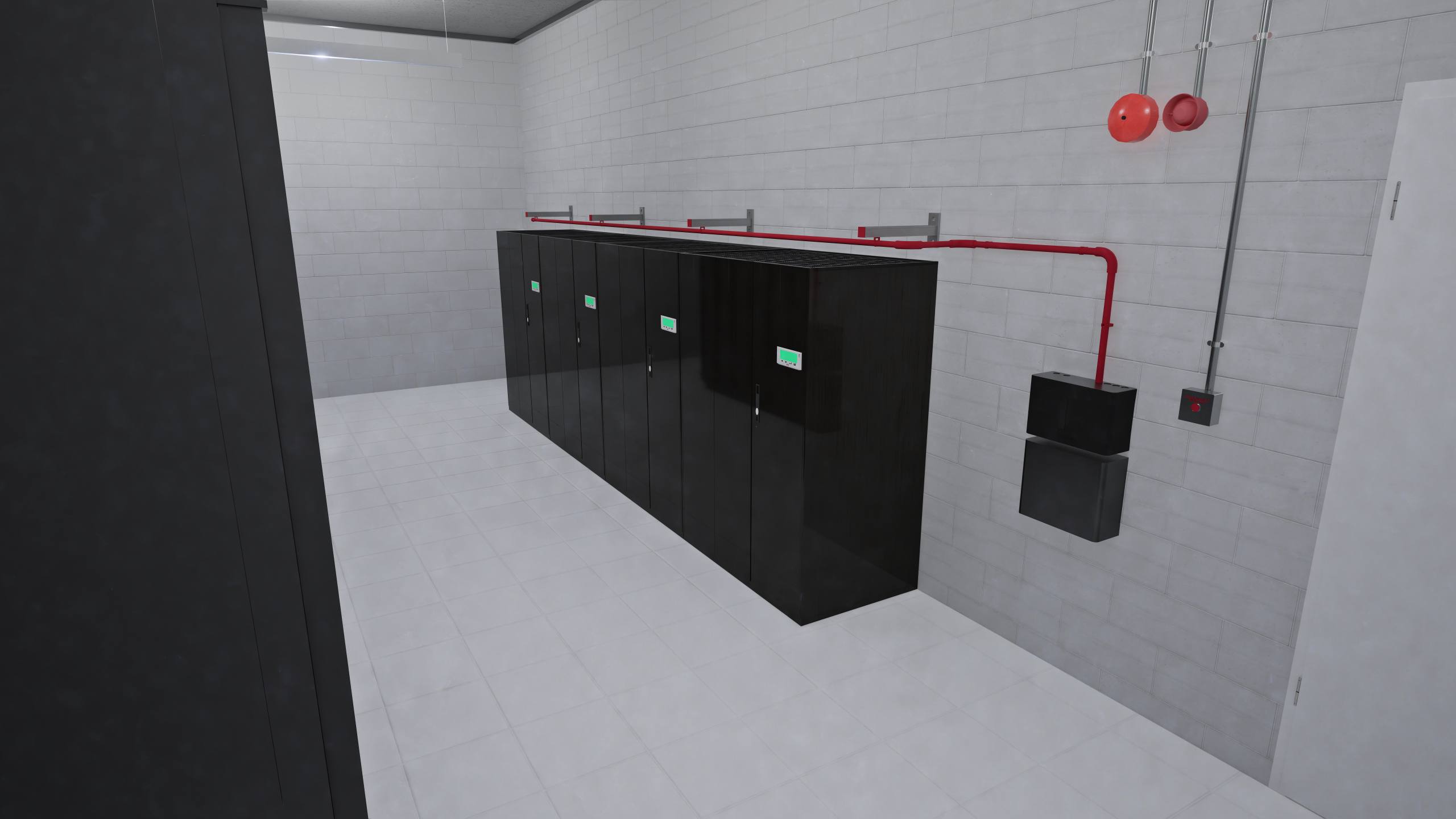
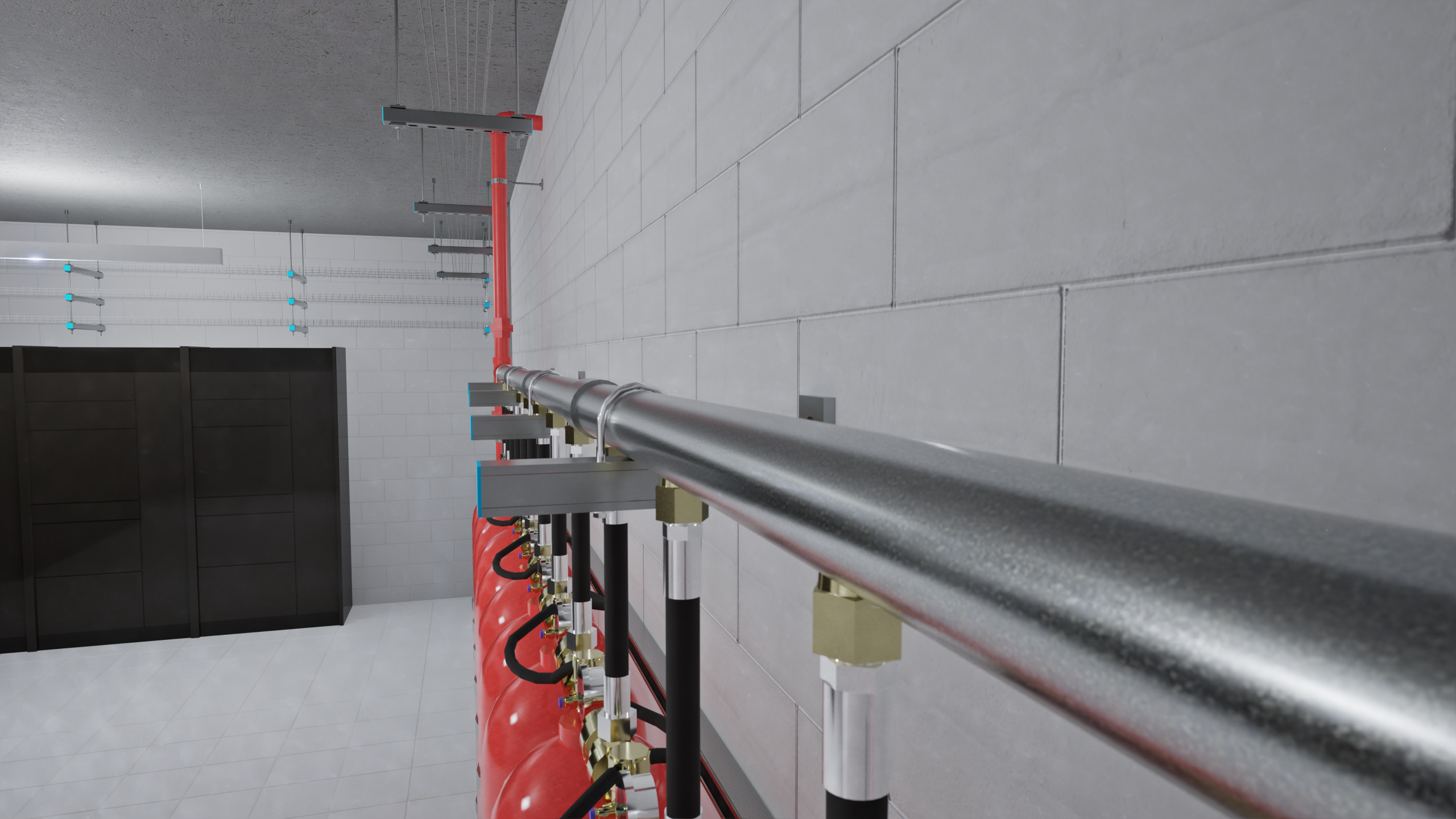
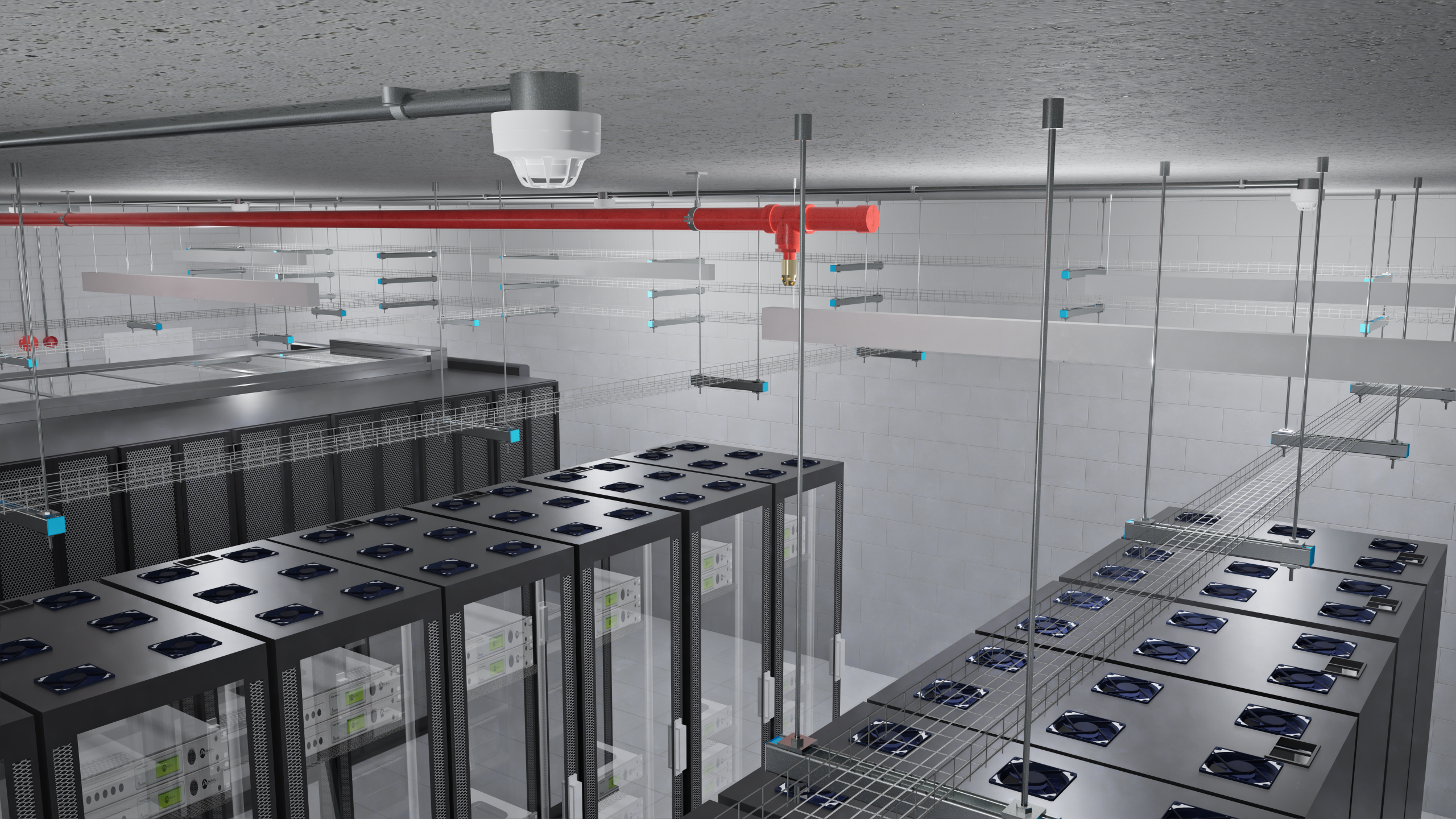
Our involvement focused on the design coordination and technical assurance of water mist fire suppression and gaseous suppression systems, developed in accordance with FM Global requirements and FGAS regulations. The systems were designed to provide effective fire control while limiting water usage, reducing environmental impact, and safeguarding sensitive equipment.
Particular consideration was given to the interaction between suppression systems and ventilation arrangements, control interfaces, and wider safety management strategies, ensuring reliable operation under both normal and emergency conditions.
Pre Construction Phase Design
During the pre construction phase, our team developed the initial fire suppression system designs to establish a coordinated and compliant solution aligned with the overall HS2 fire strategy.
This included assessment of fire risks within shafts and portal structures, selection of appropriate suppression technologies, and development of system layouts suitable for confined and restricted environments. Design coordination focused on resolving spatial constraints, access limitations, and interfaces with ventilation and control systems.
The design approach prioritised system reliability, maintainability, and resilience, providing a clear and practical framework for progression into detailed design.
The pre construction design stage supported engagement with stakeholders, authority requirements, and technical assurance processes associated with major infrastructure delivery.
Pre Construction Phase Documentation and Planning
In parallel with design development, a comprehensive suite of pre construction documentation was prepared to support quality assurance, safety management, and controlled delivery.
This included technical submissions defining system intent, performance criteria, and compliance with FM Global standards and FGAS regulations.
Inspection and Test Plans were developed to establish verification requirements, inspection stages, and acceptance criteria for both water mist and gaseous suppression systems.
Initial Risk Assessment Method Statements were produced to address the challenges of working within confined spaces and critical infrastructure environments, providing a structured foundation for the development of site specific RAMS during construction.
An outline pre construction and construction programme was also prepared, identifying key milestones, sequencing requirements, and coordination interfaces with other HS2 works.
Through detailed design coordination, comprehensive documentation, and continued technical support, the fire suppression systems were delivered as resilient and compliant solutions, enhancing life safety, protecting critical assets, and supporting the safe and reliable operation of a nationally significant transport project.